Поиск книг, учебников, пособий в онлайн-магазинах

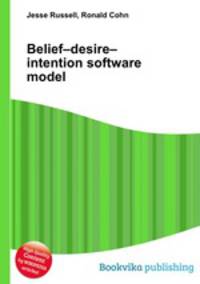
Belief–desire–intention software model
Автор: Jesse Russell,Ronald Cohn, 105 стр., издатель: "Книга по Требованию", ISBN: 978-5-5147-3116-9High Quality Content by WIKIPEDIA articles! The belief–desire–intention software model (usually referred to simply, but ambiguously, as BDI) is a software model developed for programming intelligent agents. Superficially characterized by the implementation of an agent's beliefs, desires and intentions, it actually uses these concepts to solve a particular problem in agent programming. In essence, it provides a mechanism for separating the activity of selecting a plan (from a plan library or an external planner application) from the execution of currently active plans. Consequently, BDI agents are able to balance the time spent on deliberating about plans (choosing what to do) and executing those plans (doing it). A third activity, creating the plans in the first place (planning), is not within the scope of the model, and is left to the system designer and programmer. Данное издание представляет собой компиляцию сведений, находящихся в свободном доступе в среде Интернет в целом, и в...


Рейтинг книги:  5 из 5, 10 голос(-ов).
5 из 5, 10 голос(-ов).
Популярные книги по минимальной цене:
 37 руб.
|
 238 руб.
|
 70 руб.
|
 432 руб.
|