Поиск книг, учебников, пособий в онлайн-магазинах

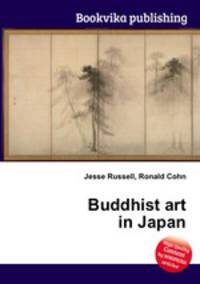
Buddhist art in Japan
Автор: Jesse Russell,Ronald Cohn, 135 стр., издатель: "Книга по Требованию", ISBN: 978-5-5092-8579-0High Quality Content by WIKIPEDIA articles! Buddhism played an important role in the development of Japanese art between the 6th and the 16th centuries. Buddhist art and Buddhist religious thought came to Japan from China through Korean peninsula and Buddhist art was encouraged by Prince Shotoku in the Suiko period in the sixth century and by Emperor Shomu in the Nara period in the eighth century. In the early Heian period Buddhist art and architecture greatly influenced the traditional Shinto arts, and Buddhist painting became fashionable among wealthy Japanese. The Kamakura period saw a flowering of Japanese Buddhist sculpture, whose origins are in the works of Heian period sculptor Jocho. The Amida sect of Buddhism provided the basis for many popular artworks. Buddhist art became popular among the masses via scroll paintings, paintings used in worship and paintings of Buddhas, saint's lives, hells and other religious themes. Under the Zen sect of Buddhism, portraiture of priests...


Рейтинг книги:  5 из 5, 6 голос(-ов).
5 из 5, 6 голос(-ов).
Популярные книги по минимальной цене:
 55 руб.
|
 55 руб.
|
 212 руб.
|
 376 руб.
|