Поиск книг, учебников, пособий в онлайн-магазинах

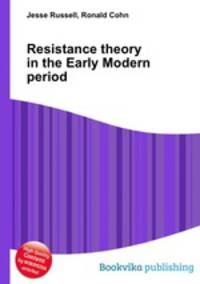
Resistance theory in the Early Modern period
Автор: Jesse Russell,Ronald Cohn, 102 стр., издатель: "Книга по Требованию", ISBN: 978-5-5144-8819-3High Quality Content by WIKIPEDIA articles! Resistance theory is an aspect of political thought, discussing the basis on which constituted authority may be resisted, by individuals or groups. In the European context it came to prominence as a consequence of the religious divisions in the early modern period that followed the Protestant Reformation. Resistance theories could justify disobedience on religious grounds to monarchs, and were significant in European national politics and international relations in the century leading up to the Peace of Westphalia of 1648. They can also underpin and justify the concept of revolution as now understood. Resistance theory of the early modern period can be considered to predate the formulations of natural and legal rights of citizens, and to co-exist with considerations of natural law. Данное издание представляет собой компиляцию сведений, находящихся в свободном доступе в среде Интернет в целом, и в информационном сетевом ресурсе "Википедия" в...


Рейтинг книги:  5 из 5, 10 голос(-ов).
5 из 5, 10 голос(-ов).
Популярные книги по минимальной цене:
 90 руб.
|
 130 руб.
|
 501 руб.
|
 319 руб.
|