Поиск книг, учебников, пособий в онлайн-магазинах

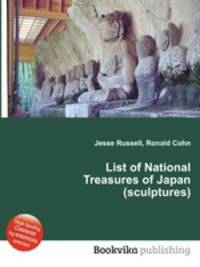
List of National Treasures of Japan (sculptures)
Автор: Jesse Russell,Ronald Cohn, 104 стр., издатель: "Книга по Требованию", ISBN: 978-5-5131-3519-7High Quality Content by WIKIPEDIA articles! In the mid-6th century, the introduction of Buddhism from Baekje to Japan resulted in a revival of Japanese sculpture. Buddhist monks, artisans and scholars settled around the capital in Yamato Province (present day Nara Prefecture) and passed their techniques to native craftsmen. Consequently, early Japanese sculptures from the Asuka and Hakuho periods show strong influences of continental art, which initially were characterized by almond-shaped eyes, upward-turned crescent-shaped lips and symmetrically arranged folds in the clothing. The workshop of the Japanese sculptor Tori Busshi, who was strongly influenced by the Northern Wei style, produced works which exemplify such characteristics. The Shakyamuni triad and the Guze Kannon at Horyu-ji are prime examples. By the late 7th century, wood replaced bronze and copper. By the early Tang Dynasty, greater realism was expressed by fuller forms, long narrow slit eyes, softer facial features,...


Рейтинг книги:  4 из 5, 7 голос(-ов).
4 из 5, 7 голос(-ов).
Популярные книги по минимальной цене:
 69 руб.
|
 119 руб.
|
 251 руб.
|
 71 руб.
|